This is the most frustrating situation in SEO: the tracking table shows keywords climbing steadily, several have entered the Top 10, yet search visits barely move. Many people's first reaction is to suspect the ranking data is wrong. But in most cases the ranking data is right, and the problem is that ranking is only half the story: climbing helps a page get seen more, but being seen is not the same as being clicked. To find the cause, you have to place ranking data next to click data and read the two together.
Cause one: rising for keywords almost nobody searches
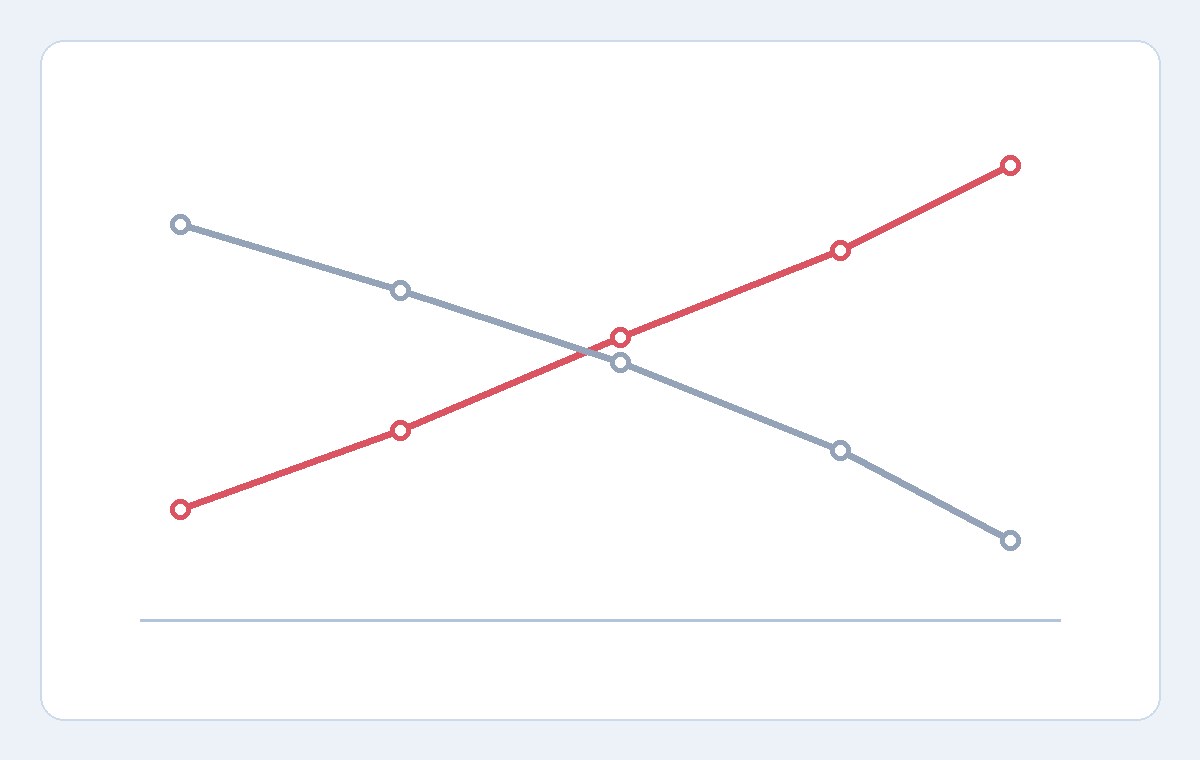
The most common cause is also the easiest to overlook: the keyword is climbing, but almost nobody searches for it. A page can move from position twenty to position three for a very specific, very long phrase that only a handful of people type each month. The ranking table records a big step forward, but real visits only grow by one or two. That does not mean the keyword is useless — long, specific keywords often bring exactly the right customers — but it explains why rankings rise while traffic stands still.
The check is to compare each rising keyword with its impressions: if impressions are low, the problem is not your page but the keyword itself. The question to ask then is not how to rank even higher, but whether the keyword list you track includes enough terms that real customers actually search for. If you want to revisit how to choose keywords to track first, you can read more in the Keyword.help blog.
Cause two: higher, but still in a low-click position
Ranking higher and reaching a position that earns clicks are two different things. A keyword moving from position eighteen to position eleven is real progress, but position eleven is still off page one and almost nobody clicks it. Similarly, a keyword moving from position nine to position six is progress, yet most clicks still concentrate in the top three positions. So when reading the ranking table, do not only look at whether the arrow points up or down; look at which zone the keyword sits in: outside the Top 30, inside the Top 30 but outside the Top 10, inside the Top 10 but outside the Top 3, or already in the Top 3.
Each zone carries a different click expectation, and traffic only jumps clearly when a keyword crosses the boundary between zones. This is also why it pays to push the group of keywords sitting in positions four to ten up into the Top 3, instead of pouring effort into the group sitting at position forty: the first group needs only a small step to change its click volume completely, while the second group can climb ten positions and still not reach the zone where clicks happen.
Cause three: the answer is given right on the search page
More and more queries are answered directly on the results page, with no need for the searcher to click any page: a featured snippet answers the question on the spot, an AI Overview summarizes the answer at the top, or other information blocks take up the whole first screen. For these queries, your page can sit at position one and still receive very few clicks, because the searcher already has the answer before scrolling down to your result.
This situation is concentrated in informational keywords — definition questions, short how-tos, quick lookups — and affects buying, comparison, and service-seeking keywords far less, because searchers in the second group still need to click through to see details and take action. The check is to look at what direct-answer blocks appear on that keyword's results page, and compare them with that keyword's own click-through rate. If the click rate is very low despite a high position, the problem lies in the results page, not in your page. On Keyword.help, you track rankings by country and device down to the Top 30, so you can check whether this is worse on mobile — where answer blocks take up more space — or not.
Cause four: the title and description do not persuade the searcher
Sometimes the cause sits right inside your own result: a generic title, a description that does not say what the page offers, or a title that does not match what the searcher wants. A sales page whose title reads like a how-to guide, or a guide whose title reads like a sales page, will both be skipped even at a high position. This is the easiest of the four causes to fix, because it does not require ranking higher — it only requires rewriting how your page introduces itself on the results page.
The check is to compare your title and description with the results sitting next to yours: which result states its benefit most clearly, which one matches intent best, and what is your result missing? A small change — adding the audience served, the area covered, or the concrete outcome the article delivers — is sometimes enough to lift the click rate noticeably without any change in position. If you are reviewing your whole keyword list to find which group deserves to be pushed into the Top 3 first, you can start at the sign-up page and put that group into its own tracking project to watch progress week by week.
One shared reading method: position, impressions, clicks
The most compact diagnostic is to read three numbers together for each keyword: position, impressions, and clicks. Position up, impressions low: a keyword few people search. Position up, impressions high, clicks low: either the results page answers directly, or the title and description are not persuasive. Position up but still outside the Top 10: not yet in the click zone. Only when all three numbers tell the same story is the conclusion solid, and only when you know the real cause will the fix hit the mark.
Conclusion
Rankings rising while traffic stays flat usually comes down to one of four causes: a keyword few people search, a position that has not yet reached the click zone, a results page that answers directly, or a title and description that do not persuade. The way to find the right cause is to read position, impressions, and clicks together for each keyword, and only then decide whether to push rankings further, rewrite the title, or shift focus to a different keyword group. Ranking is the starting point of traffic, not traffic itself.