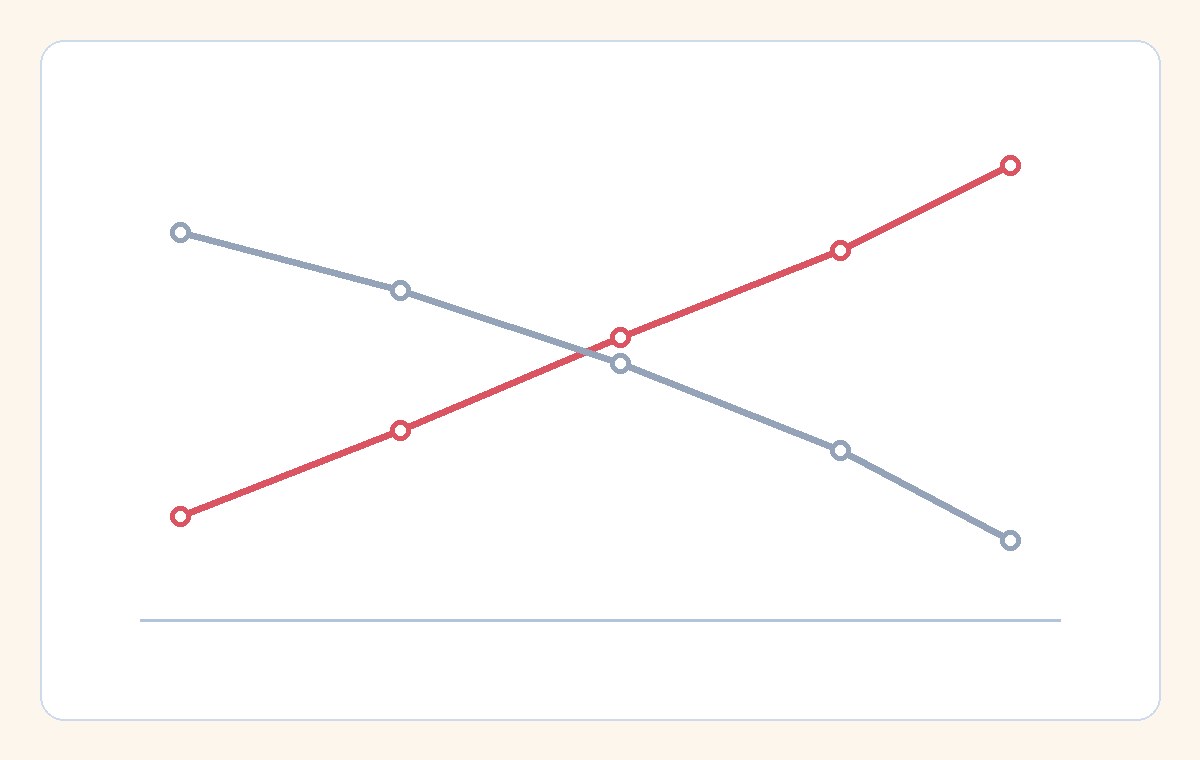
When people look at ranking reports, they often merge every keyword into one overall number and celebrate when that number rises. But that overall number can hide an uncomfortable truth: most of the growth may come from people who already knew you, while the number of genuinely new visitors is not growing at all. To measure real SEO growth, you must separate two kinds of keywords — branded and non-branded — and track them with different expectations.
What are branded keywords?
Branded keywords are searches that contain your brand name, for example your company name, a product name unique to you, or your website name. People typing these terms already know you — perhaps a friend mentioned you, they saw an ad, or they have visited your site before. Their intent is very specific: they want to find you, not to research in general. As a result, branded keywords usually rank stably in very high positions, and their click rates are much higher than average, because the result searchers want to see is you.
That very stability makes branded keywords a double-edged sword in reporting. A website can boast that most of its keywords sit in the Top 3, but if most of them are branded, that achievement does not prove SEO is growing. It only proves that people who already know you can still find you easily, something most websites manage even without further investment in content.
What are non-branded keywords?
Non-branded keywords are searches that do not contain your brand name: the searcher is describing a problem, a need, or a type of product, without knowing about you yet. This is the genuinely new audience — people who may never have heard your name and are comparing many options on the results page. This group is much harder to rank for: you compete against every rival on the same topic, and the searcher has no reason to prefer you over the other results.
In return, non-branded keywords are the true measure of SEO growth. When a non-branded keyword climbs from outside the Top 30 into the Top 10, it means your site is being discovered by completely new people. Every step up in this group brings in a fresh audience, while a step up in the branded group usually just serves people who were already on their way to you. That is why the non-branded group deserves most of your content effort.
Track them separately, with different expectations
The first rule is to always split the two groups in your reports. Label every keyword as branded or non-branded when you build the list, and look at the Top 10 share of each group separately instead of one combined number. For the branded group, the reasonable expectation is stable maintenance in the Top 3: if an important branded keyword falls out of the Top 3, that is unusual and worth checking at once, because a competitor may be targeting your name or a technical fault may affect your main pages.
For the non-branded group, expectations must be far more patient. A new keyword can take weeks or months to reach the Top 30, and each step up in this group is an achievement worth noting. Instead of demanding that every non-branded term reach the Top 3, set staged goals: first get into the Top 30, then into the Top 10, and only then compete for the Top 3. With Keyword.help, you track rankings by country and device down to the Top 30, so you can see each of these stages of progress clearly instead of only knowing a term has "not reached the Top 3 yet".
Common pitfalls
A high branded share hides weak discovery
The biggest trap is letting branded terms dominate your keyword list, then concluding that SEO is healthy while the site barely reaches any new customers. Check the balance: if more than half the keywords you track are branded, the list is skewed, and you need to add non-branded keywords that reflect what potential customers actually search for.
Spelling variants and competitors' brand terms
Users often misspell brand names, abbreviate them, or type them without accents, and those variants still belong in your branded group, because the searcher's intent is still to find you. Gather spelling variants into the branded group so you do not undercount it. By contrast, keywords containing a competitor's brand name are not your branded keywords, even if you would like to rank for them; put them in the non-branded group or a separate competitor group, because the expectations and the handling are completely different.
Different actions for each group
When the branded group has a problem, the action is usually technical or brand-related: check that the homepage and main pages still work well, that the brand name displays correctly, and whether a competitor is advertising against your name. You rarely need new content for this group; you need to protect what you already have. When the non-branded group stalls, the action is about content: does the landing page answer the topic deeply enough, does it cover all aspects of the subject, and does it need stronger evidence or real examples? Two groups, two different kinds of action, and keeping them separate stops you from applying one group's fix to the other group's problem. If you want to check which tracking plan fits the size of your keyword list, you can compare them on the pricing page at the pricing page before expanding your list.
Conclusion
Branded keywords tell you whether people who already know you can find you easily; non-branded keywords tell you whether you are reaching new people. Only by tracking the two groups separately — stable maintenance for branded, staged growth for non-branded — can you measure real SEO growth. If you would like to read more rank-tracking guides, you can browse the Keyword.help blog at the Keyword.help blog and start labelling your own keyword list today.